
Simple Steps to Pick the Right Plants for Your Yard
To choose plants that complement your landscape design, start by matching plants to your yard’s light, soil, and size. Then think about color, height, texture, and how much care each plant needs. The goal is to create a balanced look that fits your home and works well in your climate. When plants match both the style and the growing conditions, your yard looks better and stays healthy longer.
What You Need Before You Start
Before buying plants, take time to study your yard. This step saves money and stress later.
- Check how much sun each area gets during the day.
- Test your soil type. Is it sandy, clay, or loamy?
- Measure the size of planting beds.
- Notice drainage after heavy rain.
- Think about how much time you want to spend on care.
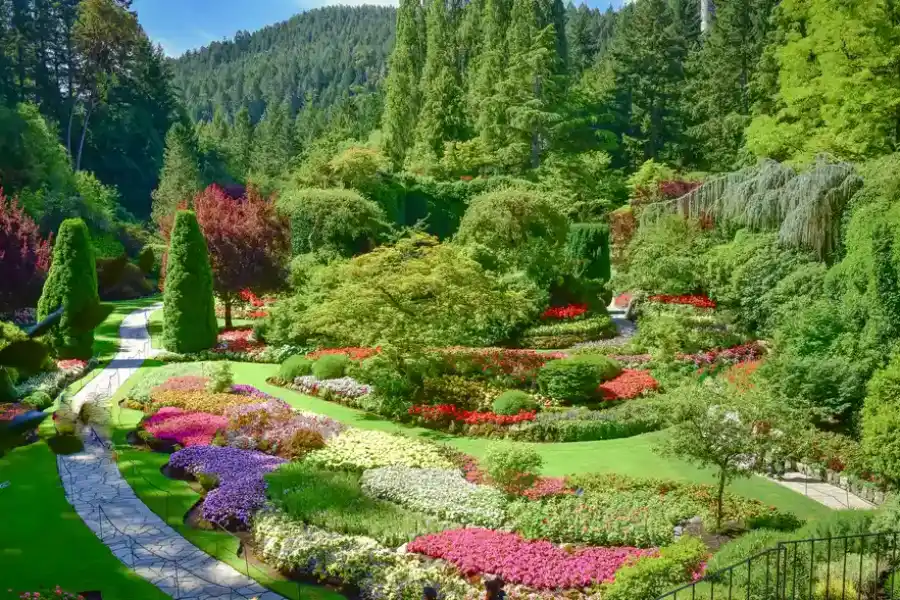
Your overall landscape design should also guide your choices. A modern home often looks best with clean lines and simple plant groupings. A cottage-style home fits well with softer shapes and layered flowers. Plants should support the theme, not fight against it.
Step-by-Step Process for Choosing the Right Plants
- Start with structure. Pick trees and large shrubs first. These form the backbone of your yard.
- Add mid-size plants. Use medium shrubs or ornamental grasses to fill space and add depth.
- Layer in color. Choose flowers or foliage plants that bloom at different times of year.
- Mix textures. Combine broad leaves with fine, wispy plants for visual interest.
- Plan for growth. Check mature height and width so plants do not crowd each other.
- Repeat key plants. Repeat certain plants across the yard to create unity.
For example, you might anchor a front yard with small evergreen shrubs. Then add flowering plants in front for seasonal color. Finish with groundcover to soften edges. Each layer builds on the last.
Common Mistakes to Avoid
Many homeowners choose plants based only on how they look in the store. This often leads to problems later.
- Picking plants that need more sun than your yard gets.
- Planting large trees too close to the house.
- Using too many colors at once.
- Forgetting about winter appearance.
- Ignoring long-term maintenance needs.
Another mistake is overcrowding. Small plants from a nursery tag may look spaced out at first. But in a few years, they can compete for light and water. Always check growth size before planting.
When to Call a Professional
Some yards are harder to plan than others. Sloped properties, drainage issues, or poor soil can affect plant health. If you are redesigning your entire yard, expert help can make the process smoother.
A professional can create a full landscape design plan that shows plant placement, spacing, and long-term growth. They can also help you mix native plants with decorative accents for better results. If you feel unsure about plant combinations or layout, this is a good time to ask for guidance.
Final Recommendation and Next Steps
Choosing plants that complement your landscape design does not have to feel confusing. Start with your yard’s natural conditions. Think about structure, color, and growth size. Keep it simple and repeat key elements for balance. If you want help creating a clear plan for your property in Torrance, CA, we are ready to help. At 5 Star Landscaping, we design and install plant layouts that fit your home, style, and budget. Call us at (310) 528-0474 to schedule a consultation and let us create an outdoor space you will enjoy for years to come.